Do Leather Bags Actually Hold Shape for 5-10 Years Under Heavy Travel?
When investing in a travel bag, especially one crafted from leather, durability and longevity are paramount. The promise that a leather bag's structured luggage frame will hold shape 5-10 years under relentless travel is an alluring selling point. But how true is it? As someone who has clocked thousands of air miles weekly between UK and US hubs over 11 years—counting every step, noting every handle wobble, and always on the hunt for that perfect, tough rolling bag—I'm here to dissect the reality versus marketing fluff. We'll explore how materials genuinely fare, how bag archetypes suit different travel demands, and how you should think about the interplay of weight, comfort, and capacity.
Choosing Your Bag Archetype Based on Travel Scenario
Not all travellers, or travel journeys, demand the same thing. Before diving into leather travel bag longevity, it's critical to match the bag style to your typical scenario:

- Frequent Domestic Business Trips: Compact yet structured bags with sturdy frames that fit within overhead bins are essential. Mobility, light weight, and quick access trump extreme capacity.
- International Long Haul: Larger capacity luggage with expanded frames that maintain shape even when overpacked. Durability is key when bags see multiple airport tile floors, unpredictable checked baggage handling, and weather variations.
- Weekend and Short Getaways: Soft leather duffels or holdalls with some structure but flexibility allow casual packing and easy stowage in cars or under seats.
Brands such as Revfine.com and Von Baer curate products targeting these archetypes but with different emphases on the structured luggage frame and leather quality, which in turn impact how the bag holds shape over years.
Why the Frame Matters More Than You Think
Leather itself, no matter how premium, is a natural material prone to stretching, creasing, and environmental effects like humidity. The frame inside supports the bag's shape, absorbing rigours of heavy packing, shifting loads, and constant airport tile walking.
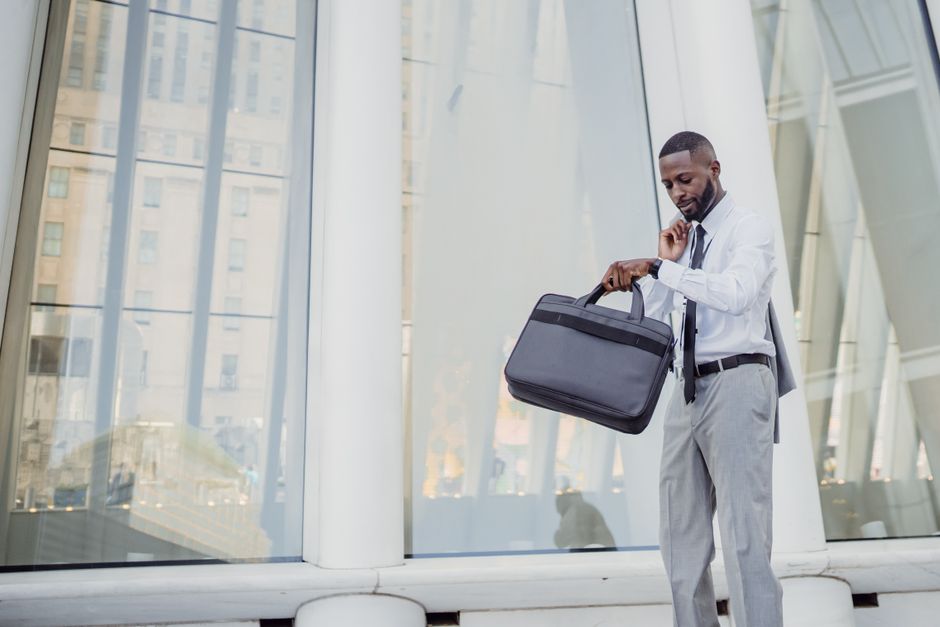
In Applied Polymer Science, studies highlight synthetic frame reinforcements—such as embedded lightweight composites—that can guard shape retention https://www.revfine.com/best-luxury-travel-bags-for-men far better than traditional metal frames that bend or crack over time.
Materials and Durability Stats That Truly Matter
Let's cut through the marketing gloss around 'premium feel' and 'luxury leather' by focusing on durability metrics:
Material Resistance to Abrasion Water Resistance Flexibility (Modulus) Weight Impact Full-grain Leather High Moderate Low (stiffens over time) Heavy Top-grain Leather Moderate Moderate Medium Moderate Synthetic Composites (frame reinforcements) Very High High High (resists deformation) Low Metal Frames Moderate High Medium (can bend) HeavyThe above is consistent with insights shared on platforms like LinkedIn discussions among product engineers and luggage designers, where real-world abrasion tests and frame resilience improve the credibility of brands committed to long-term frame performance beyond surface-level leather aesthetics.
Leather Travel Bag Longevity: What Does 5-10 Years Mean in Reality?
Five to ten years of heavy travel isn’t just a vague claim—it's a demanding standard. Heavy travel means daily rolling over abrasive tiles, jostling inside overhead bins, frequent exposure to moisture, bumps against conveyor belts, and the constant strain of overstuffing.
Despite what some marketers claim, bags that weigh 4-5kg empty are often referred to as 'premium' when, in truth, that extra weight can fatigue the user and damage stitching under strain. These bricks, as I often call them, fail to perform after their first tumble.
Luckily, recent advances allow companies like Revfine.com to blend resilient leather with cutting-edge internal frames that absorb stress and retain shape. On X (Twitter), travellers sharing their experiences with Von Baer highlight how structured frames paired with full-grain leather provide lasting form—bags that don’t morph into saggy sacks after a year of heavy use.
Weight vs Comfort vs Perceived Load
One challenge with traditional leather bags: their weight often competes with comfort. A heavy bag, even if durable, quickly tires the user and can encourage overpacking. The concept of 'perceived load'—how heavy a bag feels while wheeling it through terminals—is critical but rarely addressed plainly.
- Lightweight frames with leather overlay provide optimal balance. The user gets tactile leather surfaces without the burden of metal-heavy frames.
- Handle ergonomics are crucial; wobbling or poorly balanced telescoping handles increase perceived load.
- Wheel quality directly influences how the weight feels while moving through airport tiles.
Thus, when selecting leather bags claiming 5-10 years of holding shape, don’t overlook how the bag moves and feels, not just how it looks folded on a shelf.
Capacity in Litres and Real Packing Outcomes
Manufacturers frequently tout capacity in litres without revealing if the bag maintains that volume shapedly over years. What good is a 40L capacity leather travel bag that collapses mid-trip or bulges unevenly making packing stressful? Real packing outcomes matter:
- Bags with solid structured frames preserve internal space across multiple trips, supporting easy repacking and better organisation.
- Overstuffed leather bags without frames become misshapen, compress internal contents awkwardly, and diminish perceived capacity, defeating the whole purpose.
- Brands like Von Baer focus heavily on testing these outcomes, gathering user feedback from frequent flyers visible on LinkedIn groups and Twitter threads, refining designs accordingly.
Summary Table: Leather Bags and Shape Retention Over Time
Feature Typical Leather Bag (No Frame) Leather Bag with Structured Frame Shape retention after 5 years heavy travel Poor – Bags sag, creases deepen, lose structure Good – Frame supports exterior, maintains silhouette Weight impact Heavy leather adds bulk, variable frame support Balanced – Composite frames reduce extra weight Capacity usability Reduced – Collapses under pressure, inefficient Consistent – Maintains volume and organization Mobility & comfort Variable – Handle & wheel quality often poor Optimized – Enhanced wheels & stable handlesFinal Thoughts: Making an Informed Choice
Leather travel bag longevity and frames hold shape 5-10 years are achievable targets—but only if you scrutinise the bag’s internal structure, materials beyond just leather skin, and functional design features like wheels and handles. Brands such as Revfine.com and Von Baer illustrate how modern handcrafted leather blends with advanced materials science to answer this challenge.
Before buying:
- Identify your travel type—short, business-heavy, or long haul—and choose a matching archetype.
- Seek bags with documented structured frames, preferably backed by polymer science insights like those from Applied Polymer Science.
- Test how comfortably you can roll and carry the bag—weighted, not empty.
- Review real-world packing reviews on LinkedIn and X to see how these bags perform beyond marketing.
Ultimately, don’t fall for the 'premium feel' fluff nor rounded-sourced claims detached from real travel rigour. The best leather travel bags are those that stand the test of time—both in style and in shape—elevating your journey without pretending to defy the realities of airports and luggage handling.